Gelenk Klinik Orthopaedic Clinic
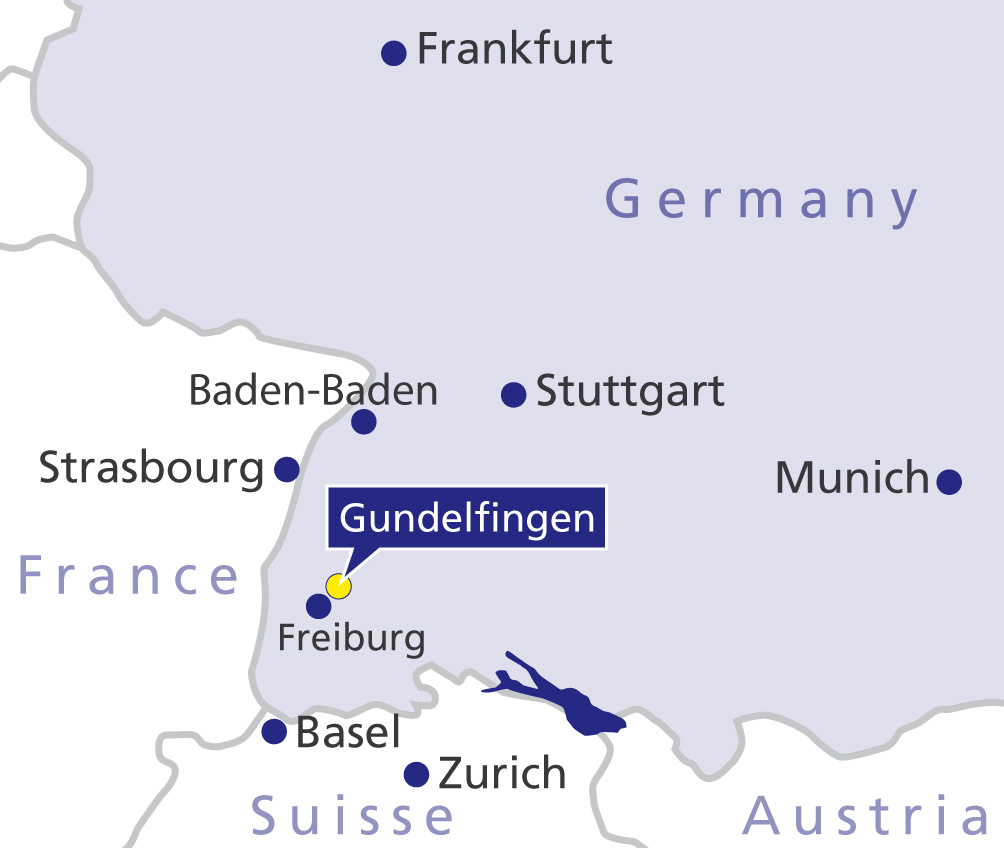
Alte Bundesstrasse 58
D-79194 Gundelfingen
Germany
fon: +49-761-79117-228
fax: +49-761-79117-999
care@joint-surgeon.com

Spine Surgery

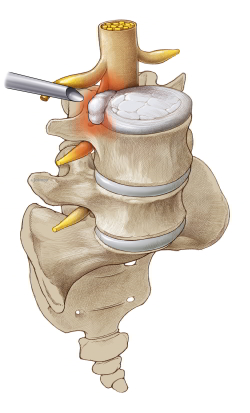
Spinal Stenosis: Diagnosis and Spinal Decompression
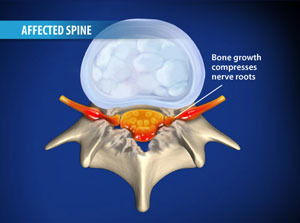
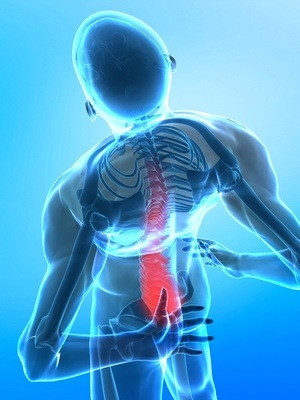
Spinal Stenosis Expert diagnosis and treatment of spinal stenosis © Viewmedica

Spinal stenosis is a narrowing of the spinal canal. Every nerve connecting the brain with the body passes through this spinal canal. Spinal stenosis consequently affects the function central nervous system. Every nerve of the peripheral nervous system providing control and feeling for muscles and limbs passes through the spinal canal. Pressure and narrowing of this passage can result in severe functional deficits and pain.
Price List Back and Spine Surgery

Pain TherapyAverage HospitalizationAverage Total Cost*
Epidural Spinal Catheter (Racz) with Intraspinal Endoscopy2 nights10.000 €
Endoscopic Spine SurgeryAverage HospitalizationAverage Total Cost*
Endoscopically Assisted Nucleotomy2 nights13.200 €
Ventral (anterior) Cervical Discectomy (ACIF)4 nights23.500 €
Percutaneous Spinal Decompression (Laser)2 nights12.500 €
Kyphoplasty or Elastoplasty Surgery of the Vertebra3 nights21.000 €
Neurosurgery & Spine SurgeryAverage HospitalizationAverage Total Cost*´
Lumbar Spinal Fusion (1 Segment)3 nights29.000 €
Lumbar Spinal Fusion (2 Segments)4 nights33.000 €
Lumbar Spinal Fusion (3 or more Segments)5 nights44.700 €
Cervical Spinal Disc Prosthesis3 nights23.500 €

Herniated Disc in the Lower Back (Lumbar Disc Herniation)

Expert Diagnosis of Lumbar Spine Disorders Expert Diagnosis of Lumbar Spine Disorders © Viewmedica

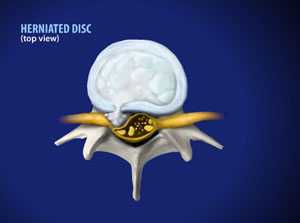
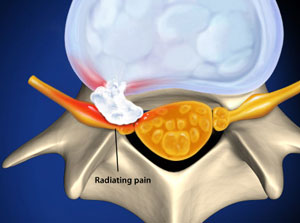
Vertebral discs are usually only mentioned in connection with herniated discs and back pain: our spinal discs tend to have a bad reputation. Most people start to consider the existence of vertebral discs only after a painful discus prolapse causes extreme pain. Other symptoms such as tingling, numbness and weak reflexes indicate loss of nerve function in the spine.

The Gelenk Klinik Spine Centre - bringing Orthopaedics, Neurosurgery and Rehabilitation together

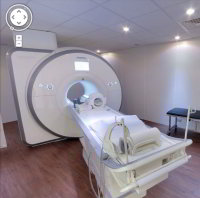
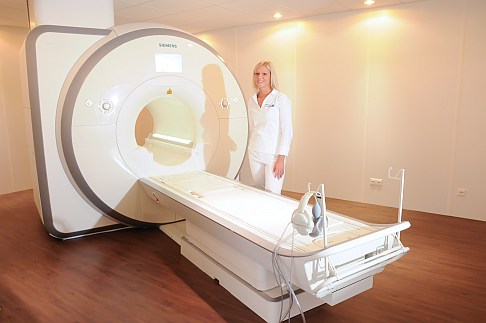
MRT Investigation of the SpineThe high-resolution MRI scan is important for accurate diagnosis involving intervertebral discs, vertebral bodies and intervertebral joints. The complete range of spine-related diagnoses is offered in the Spine Centre at the Gelenk-Klinik Hospital. © Joint-surgeon.com

Chronic back pain is often diagnosed by specialists from different fields and different areas of knowledge.

Depending on whether you consult a general practitioner, a doctor with a background in psychosomatic medicine, an orthopaedic surgeon, a neurosurgeon or a rehabilitation physician, the explanation for your problem and the treatment recommendations you receive, may vary greatly. Many patients relate the experience of having to search for an effective diagnosis of and plan of action for their back pain for a very long time.

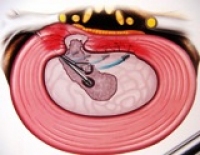
Endoscopic, minimally invasive Disc-FX disc surgery for discogenic pain

Treating the bulging disc with the Disc-FX system. Bulging discs are caused by the liquid nucleus pulposus shifting inside the disc. The fibrous ring of the disc is deformed, but not yet ruptured

Disc-FX is a technique in the field of minimally invasive spine surgery. Disc-FX only requires an endoscopic working access through a hollow needle with a diameter of only 2 mm. This approach allows treatment and removal of disc tissue inside and outside of the spinal canal (extra-and intraspinal) to remove. The fiber ring of the spinal disc can be stabilized.

Cervical Spine (C-spine) Surgery

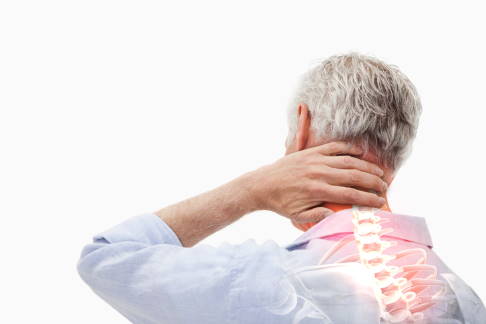
Man with cervical spine painCervical spine pain. © joint-surgeon

As the uppermost part of the spine, the cervical spine supports the head. It has a total of seven cervical vertebrae (C1 to C7). The first cervical vertebra (atlas) is situated directly below the foramen magnum (large opening), an opening through which the spinal cord passes into the vertebral canal. The second cervical vertebra (axis) is responsible for skull rotation. It has a tooth-like structure (dens axis) which the atlas rests on. The main purpose of the cervical spine is to stabilise and move the head and protect the spinal cord. Cervical spine pain or injuries are therefore serious events which should be examined by a specialist.

Pain in the back, neck or arm can be signs of cervical spine syndrome, or C-spine syndrome for short. A distinction is usually made between acute cervical spine syndromes and chronic cervical spine syndromes. Acute cervical spine syndromes are typically caused by injuries caused by sudden overstraining. This includes e.g. injury to the cervical spine in traffic accidents, the so-called whiplash injury of the cervical spine. However, acute cervical spine syndromes can also arise due to unusual strain from heavy physical activity or by exposure to draughts. Another trigger for pain in the cervical spine is acute spinal disc herniation (disc prolapse), where the inside of the disc emerges from the nucleus and compresses the spinal cord nerves.

PD Dr. David-Christopher Kubosch, Senior Orthopaedic Consultant and Trauma Surgeon, Spine Surgery

Treatment specialities:

Spine surgery, orthopaedics, disc surgery, spinal disc replacement

PD Dr. David-Christopher Kubosch, Orthopaedics and Trauma Surgery, Spine Surgery"Due to the vast differences between patients, treating the spine requires a great deal of treatment experience. The specific factors and the wishes of patients often determine the course of treatment, not the x-rays or MRI images"

My interest in medicine goes all the way back to my early childhood and comes from my father, who was an internist. I frequently visited my father in his office, where I learned both the technical and the human aspect of being a physician. I was particularly fascinated by the skilled way in which people in need were treated and by the ways they were shown compassion and given constructive support. In my opinion there is no other job which combines the technical and human aspects this well.

Disc Herniation in the Neck and Cervical Discectomy

Degenerated Cervical Disc Specialist diagnosis and treatment of a degenerated cervical disc © Viewmedica

A herniated cervical disc occurs when a disc in the neck region of the spine becomes ruptured or bursts as a result of damage to the surface. The soft material inside the disc comes out, hardens and can press on the nerves which run through the spinal column.

Degenerative Disc Disease

Degenerated Spinal Disc Degenerated Spinal Disc © Viewmedica

Degenerative Disc disease is a chronic and often painful condition. This condition happens when one or more of the vertebral discs (cushions between the vertebrae) become damaged and weakened and no longer work as shock absorbers for the movement of the spine.

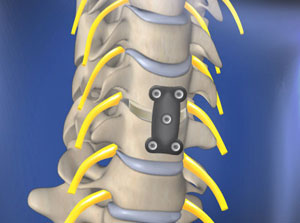
Spine surgery: Anterior Cervical Discectomy & Fusion

Anterior cervical discectomy and fusion Anterior cervical discectomy and fusion © ViewmedicaWhat is Anterior Cervical Discectomy & Fusion?

This is surgery to alleviate pressure and pain caused by a damaged cervical disc in the neck.

When a disc in the neck region of the spine becomes ruptured or bursts as a result of damage to the surface, the soft material inside the disc comes out, hardens and can press on the nerves which run through the spinal column.

Pain is often felt as burning and may be accompanied by tingling, numbness, or muscle weakness in the neck, shoulders arms and hands.

Vertebral Fusion Surgery (Spondylodesis) as therapy for Spondylolisthesis (instability of vertebral spine)

Orthopedic Spine diagnosis: SpondylolysthesisAnterior cervical discectomy and fusion © Viewmedica

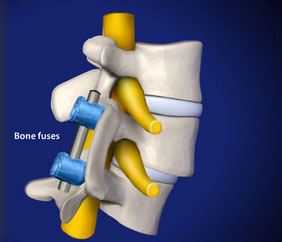
Spinal Fusion (Sypondylodesis) is surgery to relieve backpain caused by hypermobility of vertebrae in your spine (Spondylolisthesis). The surgical fusion of vertebrae is called Spondylodesis. Spondylodesis also treatsspinal deformities such as scoliosis and kyphosis.

Spondlylolisthesis is the name given to the condition when a vertebrae (single bone of the spine) slips forward and pinches the spinal cord and sensitive nerve roots in this area.

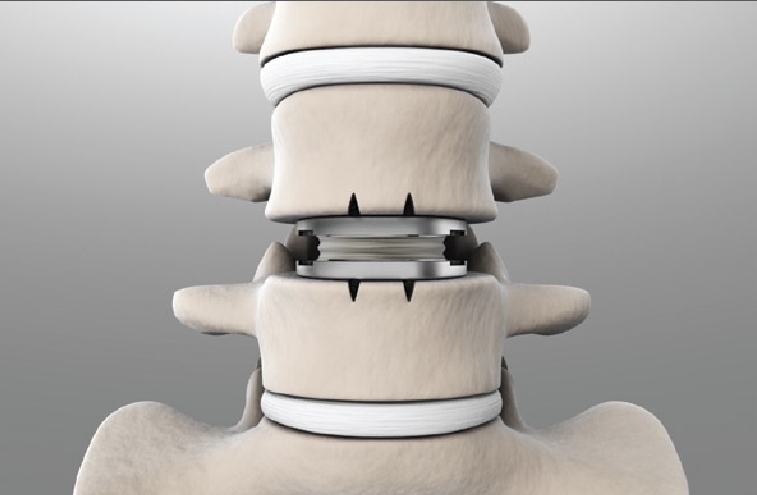
Spinal Disc Replacement: supporting pain free mobility through next generation Spinal Prosthesis

Artificial spinal disc or disc replacement Artificial spinal disc or disc replacement: When is it necessary? © Spinal Kinetics

Total disc replacement is performed when a patient is experiencing pain from a pinched nerve in the lumbar spine due to a diseased or damaged disc.

Lumbar (lower back) spinal disc degeneration is one of the most commonly diagnosed spinal diseases among adults.

At the Gelenk-Klinik spinal centre we have worked hard to find safe and reliable ways to help patients with chronic back pain caused by lumbar spinal disc degeneration.

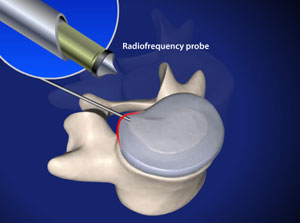
Disc Protrusion or Disc Herniation: Percutaneous Endoscopic Disc Nucleoplasty (Thermo Ray)

Percutaneous Disc Nucleoplasty Percutaneous Disc Nucleoplasty: Intradiscal Electrothermal Therapy is designed to reduce volume, by evaporating part of the liquid core of the spinal disc.© Viewmedica

Percutaneous Disc Nucleoplasty is surgery to reduce the volume of a protruded (bulging) or herniated disc. In both cases the spinal disc puts pressure on a nerve root, or the spinal cord and causes back pain or sciatic pain.

Nucleoplasty is a minimally invasive procedure to treat lumbar disc-related back pain and leg pain.

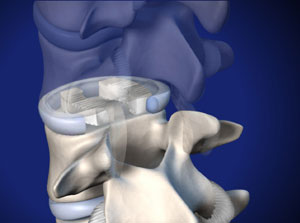
PLIF: Posterior Lumbar Interbody Fusion

Posterior Lumbar Interbody Fusoin (PLIF) Posterior Lumbar Interbody Fusion (PLIF) © Viewmedica

Posterior Lumbar Interbody Fusion (PLIF) is a highly specialised and innovative surgical procedure to alleviate pressure and pain in the back and legs. Back pain and pain radiating from the spine into the legs and arms results from damage to the nerve roots caused by degenerative disc disease.

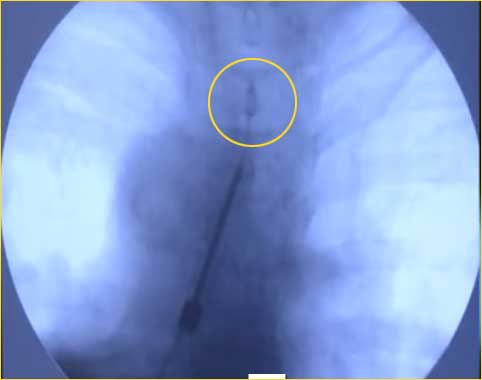
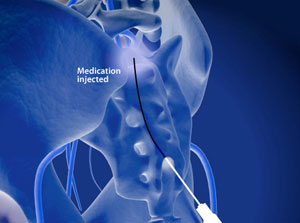
Infusion therapy to resolve chronic back and sciatic pain: RACZ Epidural Neurolysis

RACZ Caudal Neurolysis RACZ Caudal Neurolysis: Minimally Invasive treatment of chronic back pain, without surgical trauma to the soft tissue around the spine. © Viewmedica

RACZ Epidural Neurolysis is an injection (or series of injections) into the spine as therapy for chronic back pain. This injection procedure is a very effective way to relieve pain in the lower back and also pain radiating into the leg.

Racz Epidural Neurolysis can avoid the need for spinal surgery for many patients with chronic back and sciatic pain. This injection treatment has the potential to provide immediate and significant relief of chronic back pain and discomfort.

Kyphoplasty or Vertebroplasty: Repair of Vertebral Compression Fractures

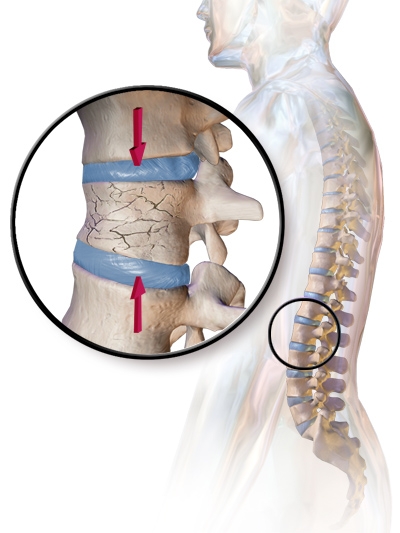
Kyphoplasty enables the reconstruction of  fractured vertebral bodiesOsteoporotic Fracture of the Vertebral Spine: Kyphoplasty enables the reconstruction of fractured vertebral bodies. © Bruce Blaus via Wikimedia Commons

Kyphoplasty or Vertebroplasty is a method of repairing a spine damaged by osteoporotic fracture of a vertebral body. In advanced spinal centres the repair of osteoporotic vertebral fracture is performed via a percutaneous (minimally invasive) surgical procedure.

The osteoporotic fracture of the vertebral spine is very painful. It has the potential to alter the height of the spinal column and the function of spinal cord and nerve roots permanently if left untreated. Kyphoplasty aims to achieve pain relief for the patient and restore the height of the collapsed vertebral bone.

Expert Diagnosis of Back Pain and Anatomy of the Spine

Expert Diagnosis of Orthopaedic Spine Diseases Expert Diagnosis of Orthopaedic Spine Diseases © Viewmedica

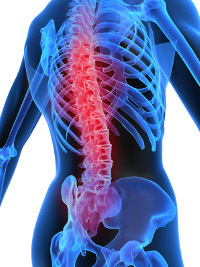
The spine is the central axis of the human body. It holds us upright, gives us mobility and protects the sensitive spinal cord. Despite its remarkable properties, however, more than 40% of all adults suffer from spinal disorders and lower back pain is one of the leading causes of work disability in the industrialized countries of the world. Moreover, the incidence of spinal disorders in individuals below twenty years of age continues to grow. Whether you suffer from temporary lumbago, chronic back pain, or a gradually worsening wear-related condition, it is essential to regard backpain as an important alarm signal.

Lumbar Spine (LS) Surgeries

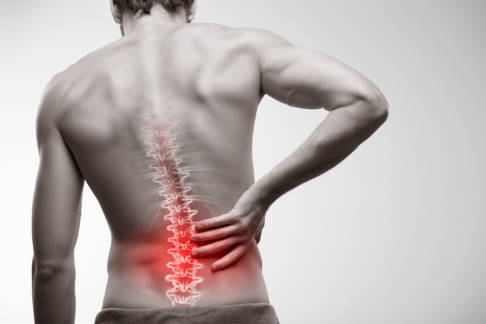
Man suffering from lumbar spine painThe spine is at the heart of human motion. Back pain often considerably limits quality of life. © Filip_Krstic, istock

By far the most back pain occurs in the lowest section of the spine. The lumbar spine bears the torso’s entire weight. The vertebrae bearing this weight are rather small when compared to other areas of the spine. Walking upright puts great strain on the joints in the lumbar spine.

Every day some of the fluid in the discs which cushion and absorb is lost and they shrink. Although this fluid is restored overnight and when lying down, this process of restoration slows as we age and the discs shrink permanently.

This shrinkage causes a decline in muscle tension. The lumbar spine bulges forward and this can result in increasing hollow back which puts further strain on the back itself. The result is deep-seated back pain that can radiate in a belt-like pattern. Additionally, the movements that pass from the torso to the legs take place in the area of the lumbar spine. This involves muscular traction such as the hip flexor or the so-called adductors. This is why the back specialist must also take a close look at the pelvis and legs during the examination.

Please stay up to date with www.joint-surgeon.com: Follow us on Facebook, Twitter, linkedin, Instagram