The Gelenk Klinik Spine Centre - bringing Orthopaedics, Neurosurgery and Rehabilitation together

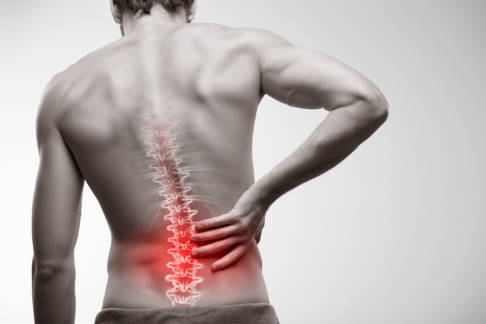
Chronic back pain is often diagnosed by specialists from different fields and different areas of knowledge.
Depending on whether you consult a general practitioner, a doctor with a background in psychosomatic medicine, an orthopaedic surgeon, a neurosurgeon or a rehabilitation physician, the explanation for your problem and the treatment recommendations you receive, may vary greatly. Many patients relate the experience of having to search for an effective diagnosis of and plan of action for their back pain for a very long time.
Dr. med Frank Haberstroh, Orthopedic Specialist

- Orthopedic Specialist at the Gelenk Klinik Orthopaedic Hospital
- PhD since 2001, University of Freiburg
- Orthopedic Specialist since 2006
- Expert Consultant for Specialised Back and Spine Surgery
- Specialissed in Endoscopic Spine Surgery
- Specialised Consultant and Trainer for Emergency Care
- Languages: English, French, German
Dr. Bijan Ganepour, Expert Consultant for Spine- and Neurosurgery

- 1987-1994 University Bochum and Essen
- 2002 Specialist for Spine- and Neurosurgery
- Senior Expert Consultant for Spine and Neurosurgery
- Cervical disc herniations, decompression of spinal stenosis, discectomie, total disc replacement, nerve compression syndromes (Carpal tunnel syndrome, Gyon´s canal syndrome, sulcus ulnaris syndrome, tarsaltunnel syndrome etc) minimally invasive lumbar disc surgery, tumors and lesions of the central and peripheral nervous system
- Languages: English, German, Farsi
Expert Diagnosis of Back Pain and Anatomy of the Spine

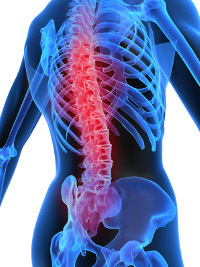
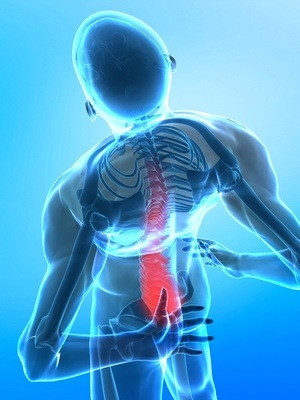
The spine is the central axis of the human body. It holds us upright, gives us mobility and protects the sensitive spinal cord. Despite its remarkable properties, however, more than 40% of all adults suffer from some kind of spinal disorder and lower back pain is one of the leading causes of work disability in the industrialized countries of the world. Moreover, the incidence of spinal disorders in individuals below twenty years of age continues to grow. Whether you suffer from temporary lumbago, chronic back pain, or a gradually worsening wear-related condition, it is essential to regard backpain as an important alarm signal.
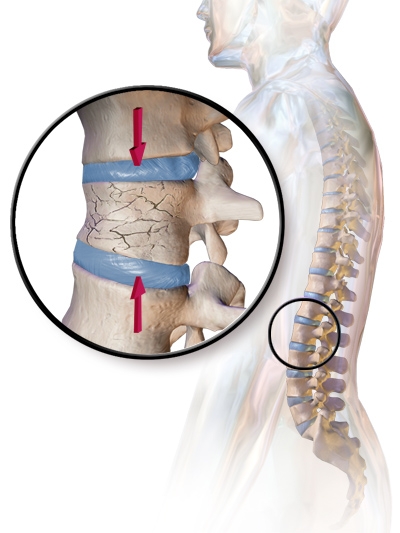
Degenerative Disc Disease

Herniated Disc in the Lower Back (Lumbar Disc Herniation)

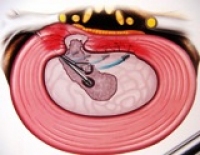
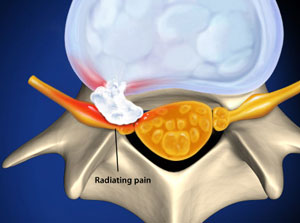
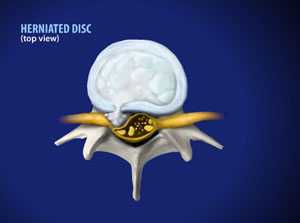
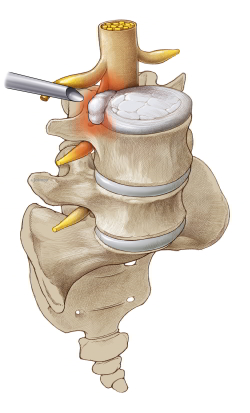
Vertebral discs are usually only mentioned in connection with herniated discs and back pain: our spinal discs tend to have a bad reputation. Most people start to consider the existence of vertebral discs only after a painful discus prolapse causing extreme pain. Other symptoms such as tingling, numbness and weak reflexes indicate loss of nerve function in the spine.
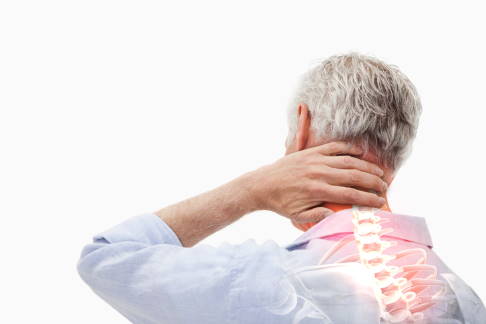
Herniated Cervical Disc: Disc Herniation in the Neck

A herniated cervical disc occurs when a disc in the neck region of the spine becomes ruptured or bursts as a result of damage to the surface. The soft material inside the disc comes out, hardens and can press on the nerves which run through the spinal column.
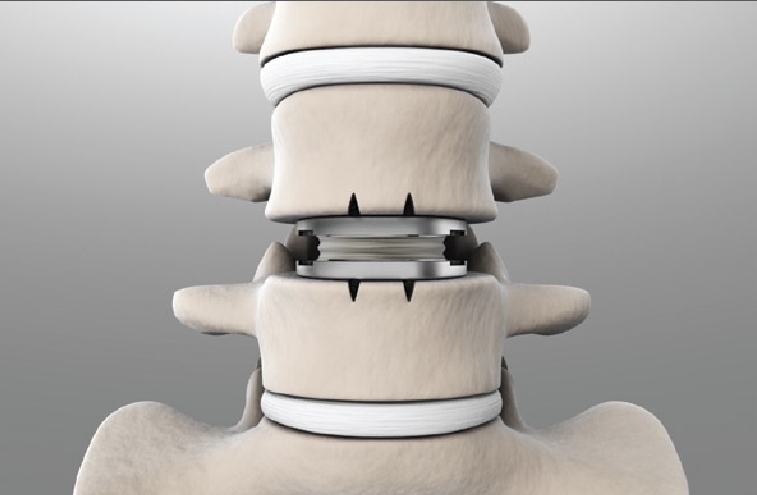
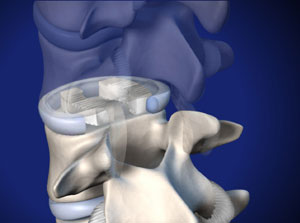
Spinal Disc Replacement: supporting pain free mobility through next generation Spinal Prosthesis

Total disc replacement is performed when a patient is experiencing pain from a pinched nerve in the lumbar spine due to a diseased or damaged disc.
For more than ten years, artificial discs have been under constant development. After many improvements, artificial discs have become an important and safe treatment alternative for spinal disc degeneration.
The modern M6 artificial spinal discs offer a particularly effective alternative to the earlier established practice of spinal fusion surgery.
Artificial spinal discs have the potential to restore mobility in the spinal column, almost to that of a normal healthy spine.
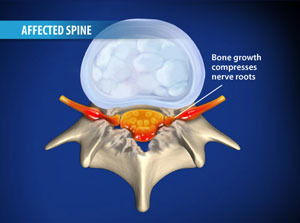
Spinal Stenosis: Diagnosis and Expert Treatment

Spinal stenosis is a narrowing of the spinal canal. Every nerve connecting the brain with the body passes through this spinal canal. Spinal stenosis consequently affects the function central nervous system. Every nerve of the peripheral nervous system providing control and feeling for muscles and limbs passes through the spinal canal. Pressure and narrowing of this passage can result in severe functional deficits and pain.
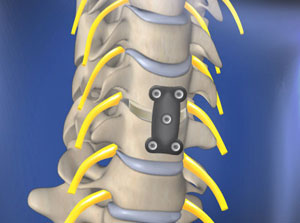
Spine surgery: Anterior Cervical Discectomy & Fusion

What is Anterior Cervical Discectomy & Fusion?
This is surgery to alleviate pressure and pain caused by a damaged cervical disc in the neck.
When a disc in the neck region of the spine becomes ruptured or bursts as a result of damage to the surface, the soft material inside the disc comes out, hardens and can press on the nerves which run through the spinal column.
Pain is often felt as burning and may be accompanied by tingling, numbness, or muscle weakness in the neck, shoulders arms and hands.
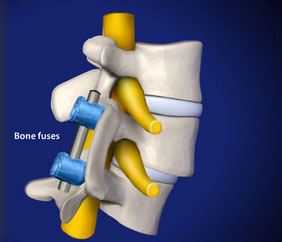
Spondylolisthesis (instability of vertebral spine) and Spinal Fusion

What is Spinal Fusion
Spinal Fusion (Sypondylodesis) is surgery to relieve the pain caused by Spondylolisthesis.
Spondlylolisthesis is the name given to the condition when a vertebrae (single bone of the spine) slips forward and pinches a nerve root. The vertebrae slips forward because of a weakened joint or fractured bone in the spine.
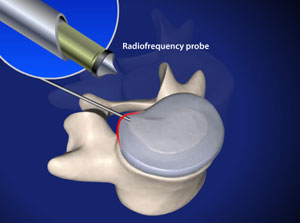
Spine Surgery: Percutaneous Disc Nucleoplasty

What is Percutaneous Disc Nucleoplasty?
Percutaneos Disc Nucleoplasty is surgery to reduce a herniated disc (the nucleus of the disc has moved out of the disc space), is pressing on a nerve and causing pain.
PLIF: Posterior Lumbar Interbody Fusion

What is Posterior Lumbar Interbody Fusion?
Posterior Lumbar Interbody Fusion (PLIF) is a highly specialised and innovative surgical procedure to alleviate pressure and pain in the back and legs. Back pain and pain radiating from the spine into the legs and arms results from damage to the nerve roots caused by degenerative disc disease.
RACZ Caudal Neurolysis

What is RACZ Caudal Neurolysis?
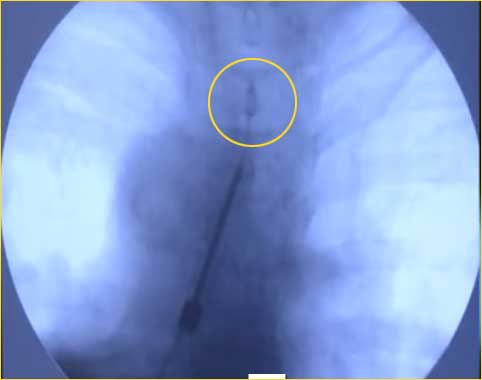
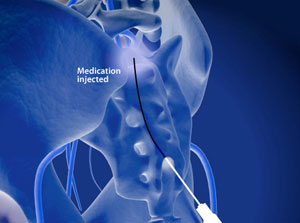
RACZ Caudal Neurolysis is an injection (or series of injections) into the spine as therapy for chronic back pain. This injection procedure is a very effective way to relieve low back and leg pain. This pain is often due to a build up of scar tissue from previous back surgery.
Kyphoplasty - Minimally Invasive Spinal Surgery

What is Kyphoplasty?
Kyphoplasty is a method of repairing a damaged spine, via a minimally invasive, surgical procedure.
It was designed to treat spine fractures (separation and weakness of the bone material in the vertebral body). These fractures are often caused by osteoporosis.
Price List Back and Spine Surgery
| Spine Surgery | Average Hospitalization | Average Total Cost* |
| Endoscopically Assisted Nucleotomy | 3 nights | 9.500 € |
| Ventral (anterior) Cervical Discectomie | 4 nights | 15.536 € |
| Nucleoplasty Cervical Vertebra (neck) | 2 nights | 4.500 € |
| Nucleoplasty Lumbar Vertebra (Lower Spine) | 5 nights | 10.500 € |
| Lumbar Spinal Fusion (1 Segment) | 5 nights | 10.500 € |
| Lumbar Spinal Fusion (more than 1 Segment) | 5 nights | 17.000 € |
| Interspinous Spreader | 2 nights | 4.847 € |
| Epidural Spinal Catheter (Racz) with Intraspinal Endoscopy | 3 nights | 6.829 € |
| Endoscopic Spine Surgery | 3 nights | 7.500 € |
| Autologous Disc Cell Transplant (Surgery only) | 2 nights | 7.436 € |
| Autologous Disc Cell Transplant Tissue Cultivation | Laboratory | 4.200 € |
| Cervical Disc Prosthesis | 2 nights | 11.829 € |
| Lumbar Artificial Disc Replacement | 2 nights | 12.500 € |
| Percutaneous Spinal Decompression (Laser) | 4 nights | 3.697 € |
| Cyphoplastic or Elastoplastic Surgery of the Vertebra | 4 nights | 11.244 € |